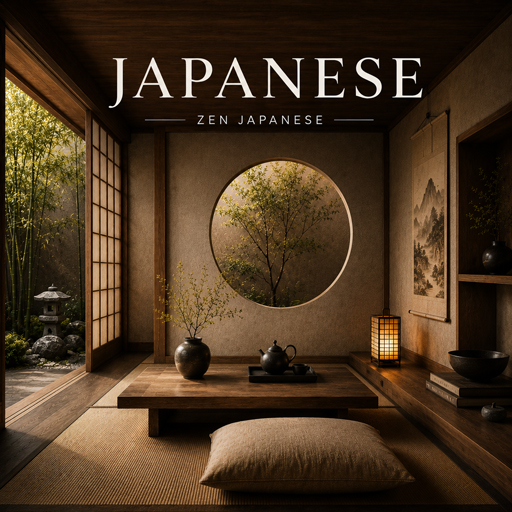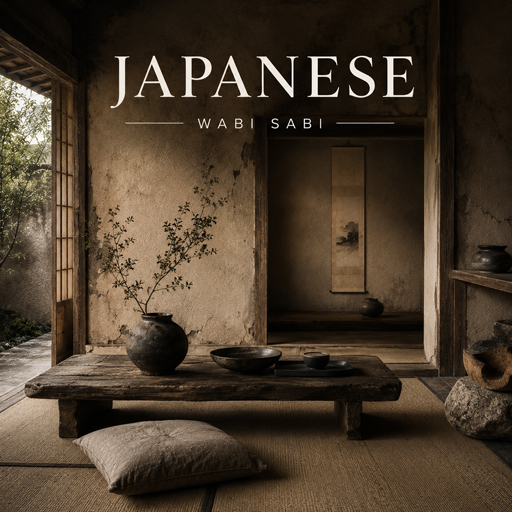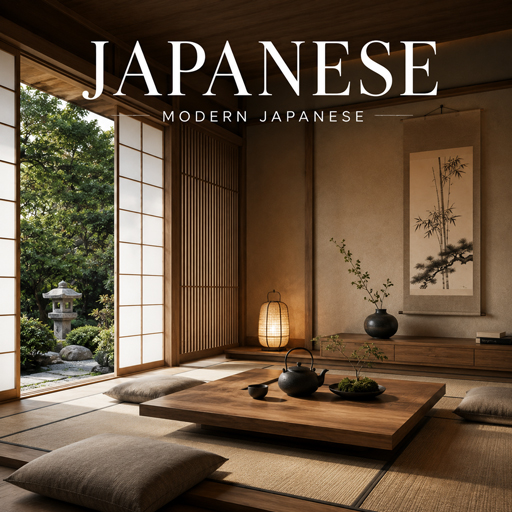
Kyoto style interior design is defined by a harmonious blend of centuries-old tradition and refined minimalism, emphasizing a deep connection to nature. Characterized by elements like shoji sliding screens, tatami mat flooring, and tokonoma alcoves, this aesthetic utilizes a muted palette of earth tones and natural materials such as wood, bamboo, and rice paper. The style prioritizes intentionality and the Zen-inspired concept of wabi-sabi, creating tranquil, functional spaces that celebrate craftsmanship and the subtle beauty of imperfection.
Upload a photo of your room and our AI restyles it in the Kyoto Style aesthetic — no signup needed.
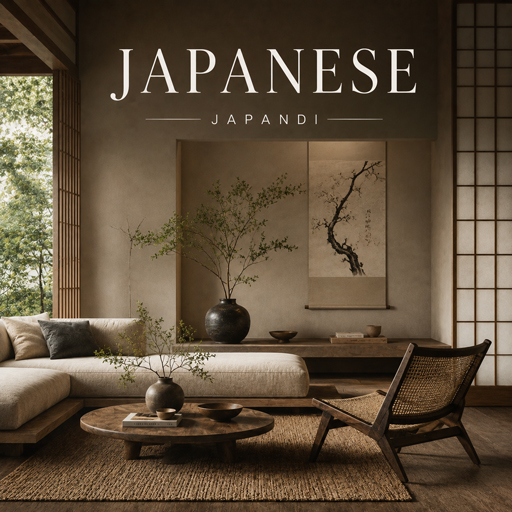
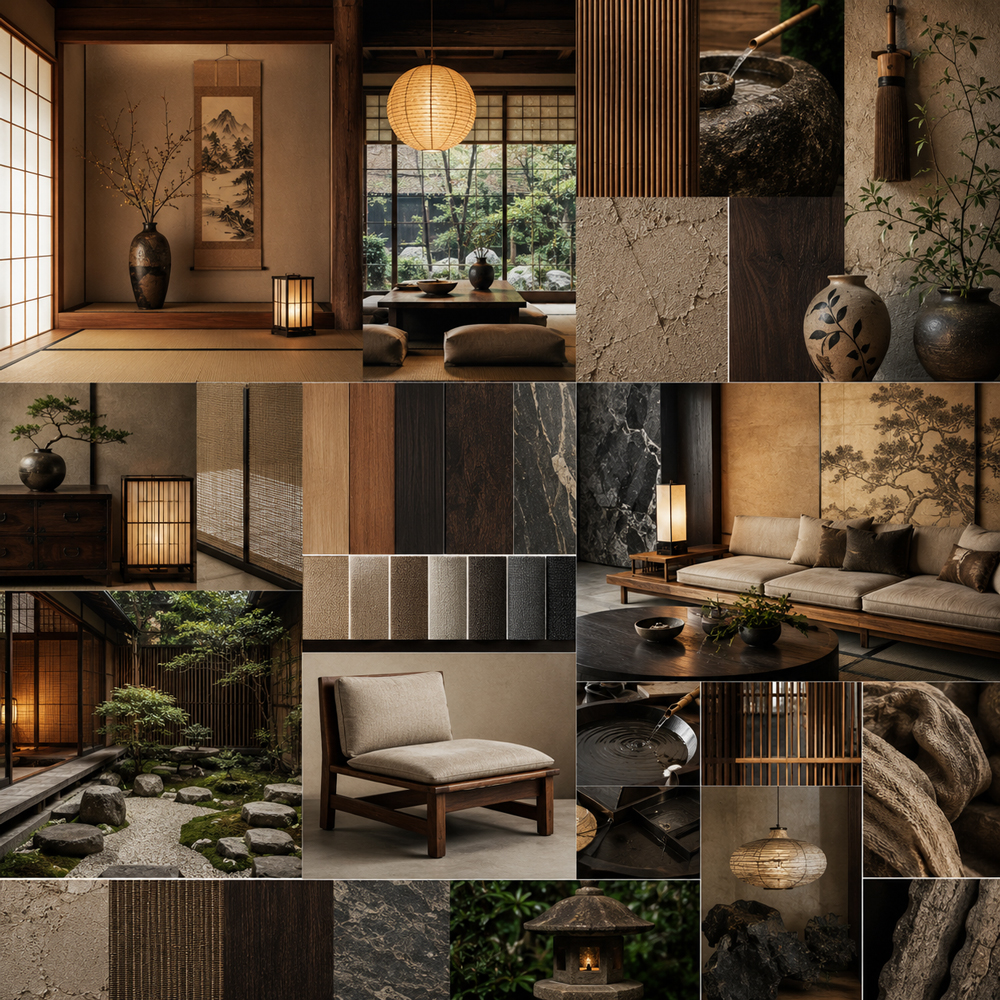
Kyoto Style interior design is a profound expression of traditional Japanese aesthetics, rooted in the historical elegance and Zen philosophies of Japan's ancient capital. This style is defined by a harmonious balance between the built environment and the natural world, emphasizing simplicity, intentionality, and the beauty of impermanence, often referred to as wabi-sabi. Kyoto Style interiors are characterized by the use of noble, natural materials such as cedar wood, bamboo, stone, and hand-pressed rice paper, often crafted using centuries-old techniques like Shou Sugi Ban for wood preservation. Key architectural elements include tatami mat flooring, sliding fusuma doors, and translucent shoji screens that allow for a fluid, adaptable use of space while inviting soft, diffused natural light. The color palette is deeply earthy, featuring muted tones of moss green, sand, charcoal, and warm wood grains, creating a tranquil atmosphere that fosters meditation and calm. Furniture is typically low-profile and minimalist, ensuring the "Ma," or negative space, remains a focal point to prevent clutter. From the meditative tokonoma alcove to the seamless integration of "borrowed scenery" (shakkei) from private gardens, Kyoto Style interior design offers a timeless sanctuary of refined taste and soulful serenity.