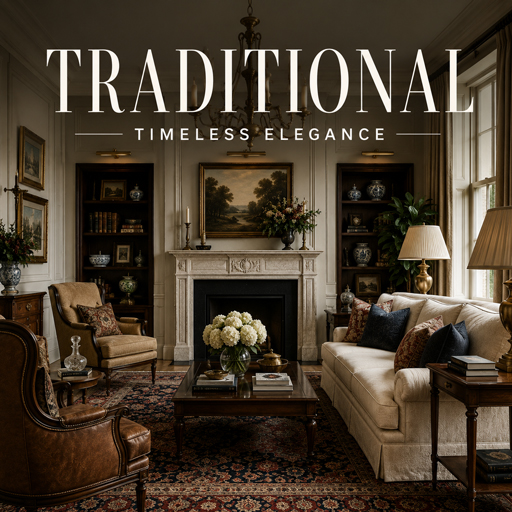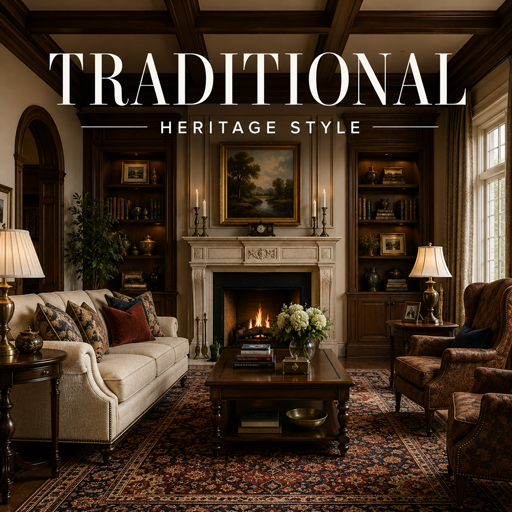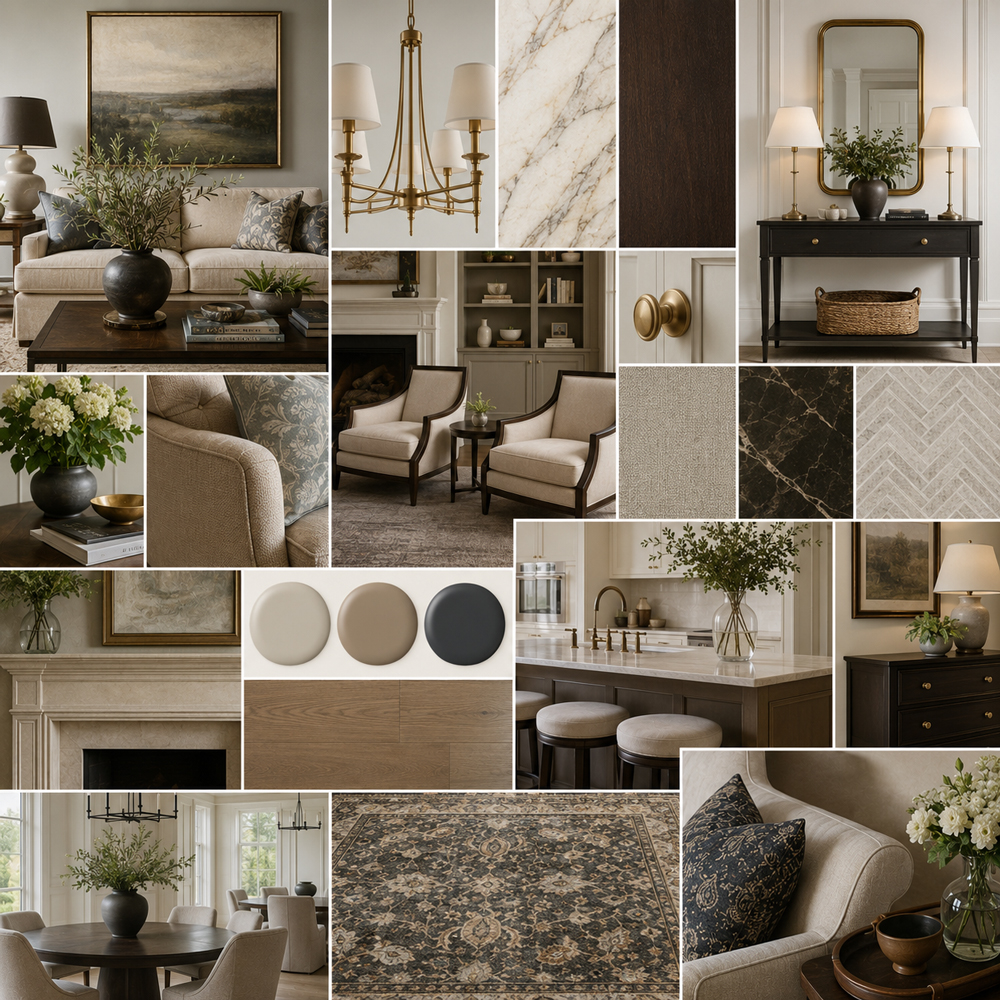
Transitional interior design is a sophisticated blend of traditional elegance and modern simplicity, creating a timeless and balanced aesthetic. This style harmonizes classic silhouettes with clean lines, utilizing a neutral color palette of taupe, ivory, and gray to foster a calm, cohesive environment. By mixing materials like warm wood and stone with sleek metal and glass, transitional design achieves a relaxed yet refined look that avoids the ornateness of traditional decor and the coldness of purely contemporary spaces.
Upload a photo of your room and our AI restyles it in the Transitional aesthetic — no signup needed.

Transitional interior design is a sophisticated hybrid style that seamlessly bridges the gap between traditional elegance and contemporary minimalism. Often described as an updated classic, this aesthetic offers the best of both worlds by blending the comfort and warmth of traditional forms with the clean lines and understated profiles of modern design. The result is a balanced, timeless environment that feels refined without being formal and fresh without being trendy. At its core, transitional design relies on a neutral and monochromatic color palette, utilizing soft tones like taupe, ivory, greige, and warm grays to create a serene foundation. Visual interest is achieved through a rich layering of textures rather than bold patterns or ornate decoration. Materials such as natural wood, stone, linen, and velvet are often mixed with modern accents like glass and brushed metals. Furniture in a transitional space typically features classic silhouettes, such as a rolled-arm sofa or a tapered-leg chair, but with simplified details and updated finishes. By prioritizing craftsmanship and scale over excessive ornamentation, transitional style creates cohesive, livable spaces that celebrate natural light and a sense of calm, making it a perfect choice for those seeking a home that is both enduring and effortlessly current.