About the Brutalist style
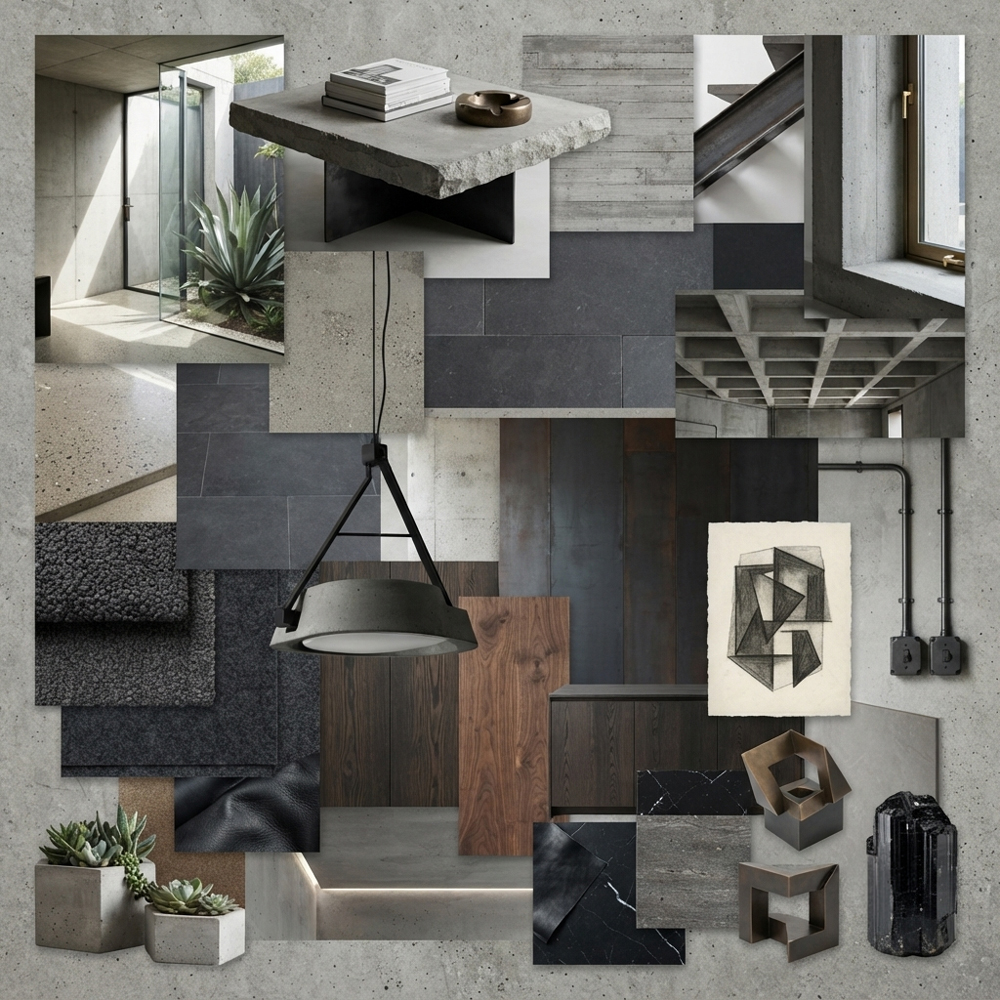
Brutalist interior design is a bold and uncompromising style that celebrates the raw, unadorned beauty of structural materials. Rooted in the post-war architectural movement of the mid-20th century, this aesthetic is defined by its "honesty of materials," most notably the extensive use of exposed, unfinished concrete—or béton brut. By stripping away decorative flourishes, Brutalism emphasizes massive, monolithic forms and strong geometric silhouettes that create a powerful sense of permanence and architectural weight.
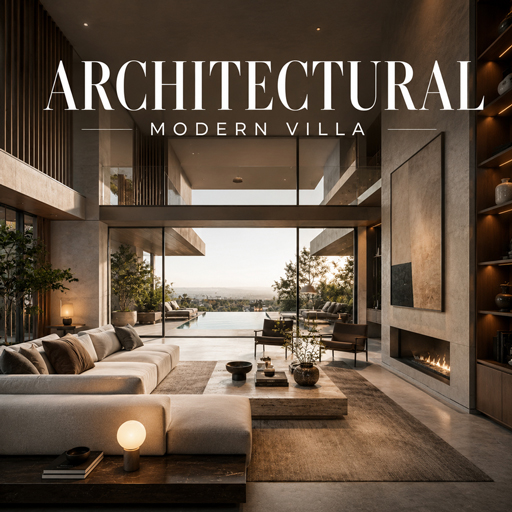
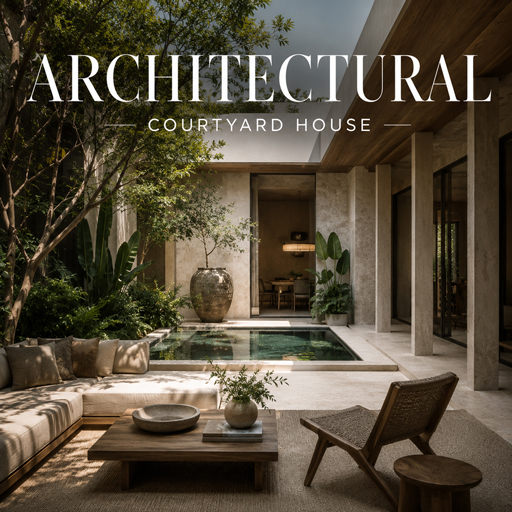
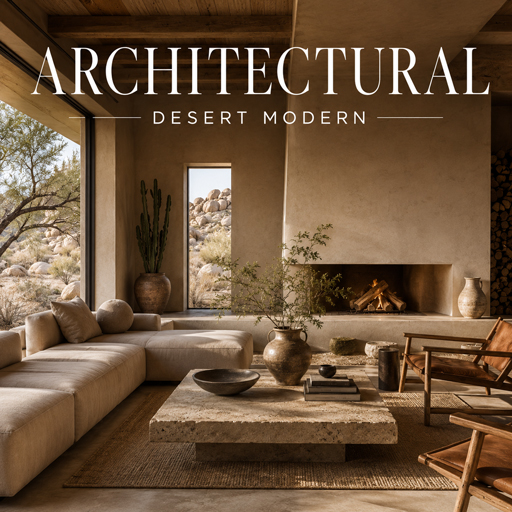
In a modern residential context, Brutalist design translates into sophisticated, minimalist spaces characterized by a neutral, monochromatic palette of greys and earth tones. The style foregrounds functional transparency, often leaving structural elements like beams, brickwork, and ductwork visible as integral design features. To make this "industrial chic" look liveable, designers often employ "Soft Brutalism," layering raw concrete with organic textures like reclaimed wood, brushed metals, and lush greenery. This intentional contrast balances the inherent coldness of stone and steel with tactile warmth, resulting in an interior that is both commandingly sculptural and deeply authentic. Perfect for lofts and contemporary apartments, Brutalist design offers a timeless, courageous alternative to traditional decor.