Bauhaus interior design theme — Art Movements
Art Movements Theme

Bauhaus

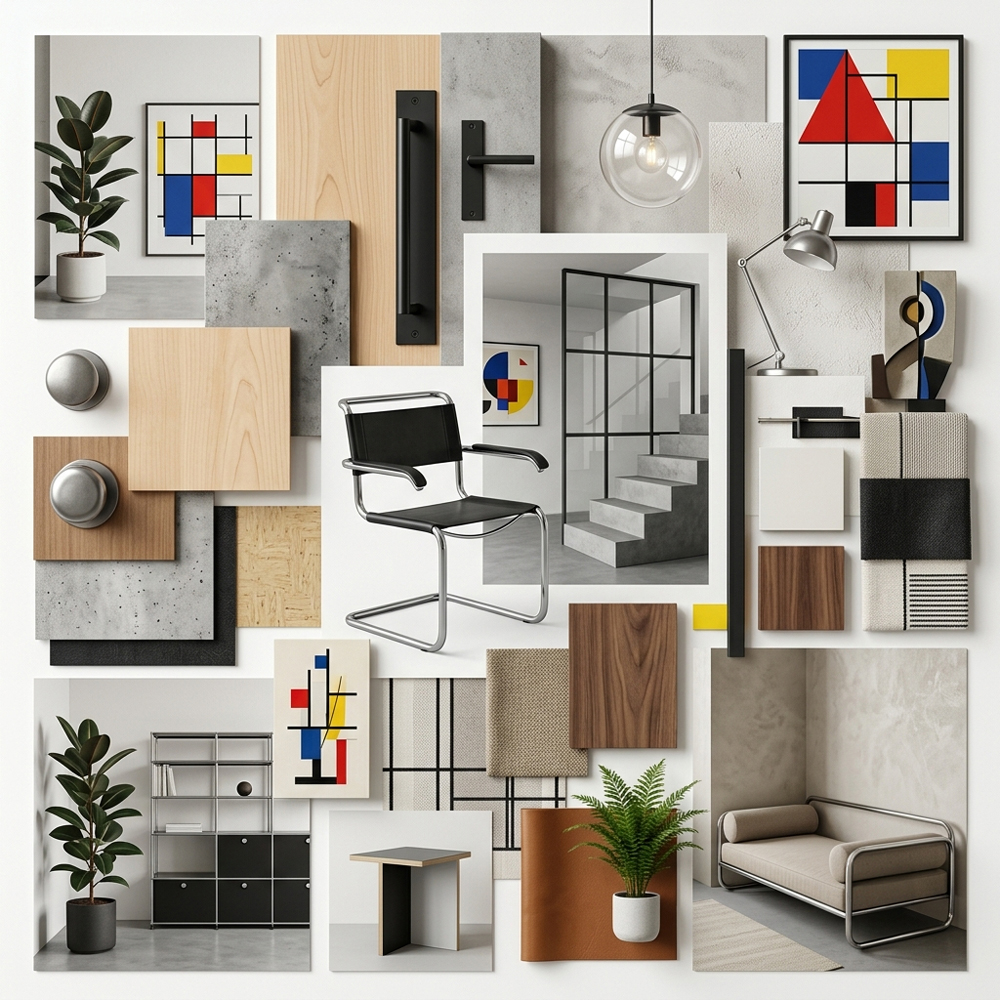
Bauhaus interior design and architecture are defined by the core principle that form follows function, emphasizing rationality and the elimination of unnecessary ornamentation. Originating from the influential German school founded by Walter Gropius in 1919, this style is characterized by clean lines, geometric forms, and an open floor plan that prioritizes efficiency and flow. By integrating art with industrial technology, Bauhaus utilizes modern materials like steel, glass, and concrete alongside a palette of neutral tones and bold primary accents to create spaces that are both aesthetically harmonious and optimized for mass production.

Try the Bauhaus theme on your room

Upload a photo of your room and our AI restyles it in the Bauhaus aesthetic — no signup needed.
About the Bauhaus style

Bauhaus interior design and architecture are defined by the core principle that form follows function, emphasizing rationality and the elimination of unnecessary ornamentation. Originating from the influential German school founded by Walter Gropius in 1919, this style is characterized by clean lines, geometric forms, and an open floor plan that prioritizes efficiency and flow. By integrating art with industrial technology, Bauhaus utilizes modern materials like steel, glass, and concrete alongside a palette of neutral tones and primary colors. This revolutionary movement sought to unify fine art and craftsmanship, resulting in timeless pieces like the Wassily and Barcelona chairs that remain icons of minimalist, high-quality production. Today, the Bauhaus aesthetic continues to influence modern spaces, offering a sophisticated, uncluttered environment where every element serves a clear practical purpose.