Atomic Modern interior design theme — Mid-Century
Mid-Century Theme

Atomic Modern

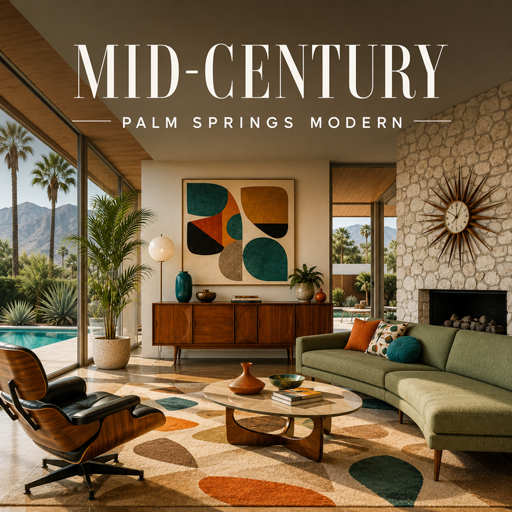
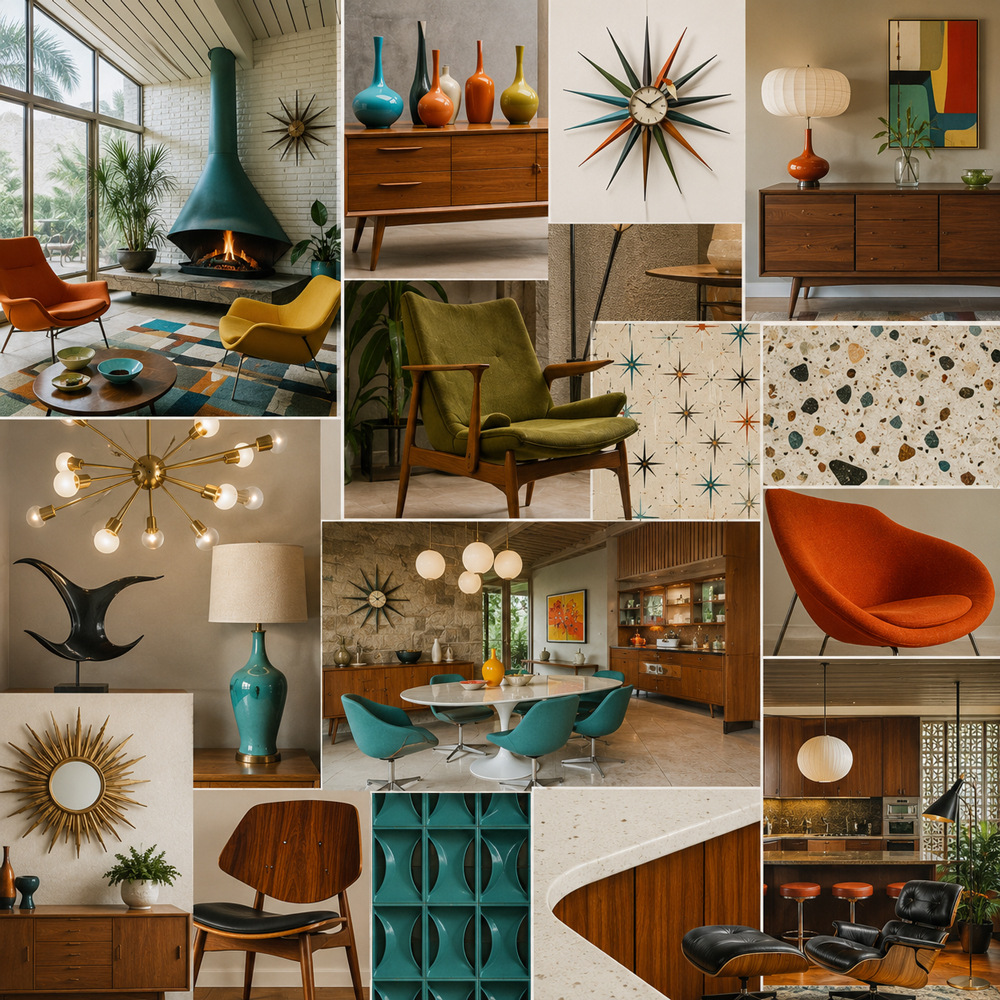
Atomic Modern interior design, a vibrant subset of the Mid-Century movement, is defined by its futuristic optimism and fascination with the Space Age. Characterized by iconic shapes like starbursts, boomerangs, and sputnik motifs, this style blends sleek, clean lines with organic curves and innovative materials like molded plastic, fiberglass, and chrome. The aesthetic emphasizes a sense of movement and scientific progress, often utilizing bold primary colors and geometric patterns to create energetic, forward-thinking spaces that remain both nostalgic and timeless.

Try the Atomic Modern theme on your room

Upload a photo of your room and our AI restyles it in the Atomic Modern aesthetic — no signup needed.
About the Atomic Modern style

Atomic Modern interior design, a vibrant subgenre of Mid-Century Modernism, captures the futuristic optimism and scientific fascination of the post-WWII era. Emerging between the 1940s and 1960s, this "Space Age" aesthetic blends the clean lines and functionalism of traditional mid-century design with whimsical, forward-looking motifs inspired by atomic science and space exploration. Key characteristics include the use of iconic biomorphic and geometric shapes, such as starbursts, boomerangs, and Sputnik-style lighting, which symbolize energy and movement. The style revolutionized residential spaces by integrating innovative industrial materials like molded plywood, fiberglass, plastic, and chrome alongside warm natural woods like teak and walnut. Atomic Modern interiors often feature open floor plans and a bold, high-contrast color palette, utilizing vibrant hues like turquoise, atomic red, and mustard yellow against neutral backdrops. This design movement prioritizes a sleek, streamlined look that remains highly collectible today, offering a unique blend of retro-nostalgia and visionary sophistication. Whether through statement furniture or subtle starburst accents, Atomic Modern design continues to influence contemporary architecture by celebrating a timeless harmony between form, function, and imagination.