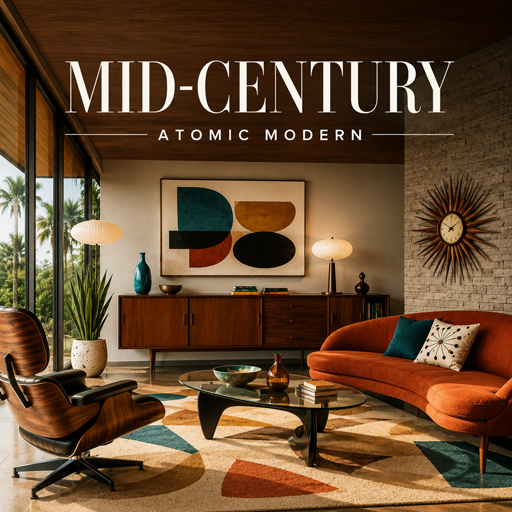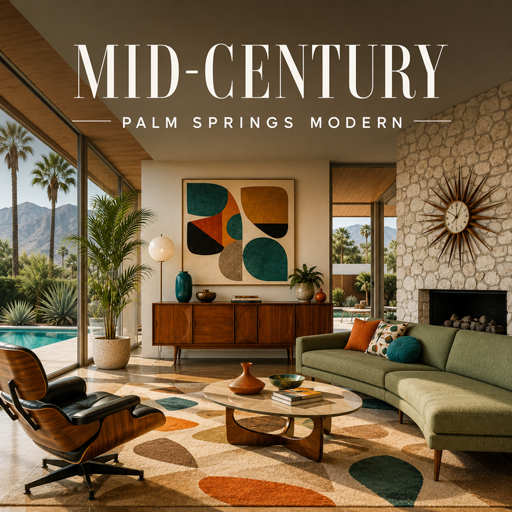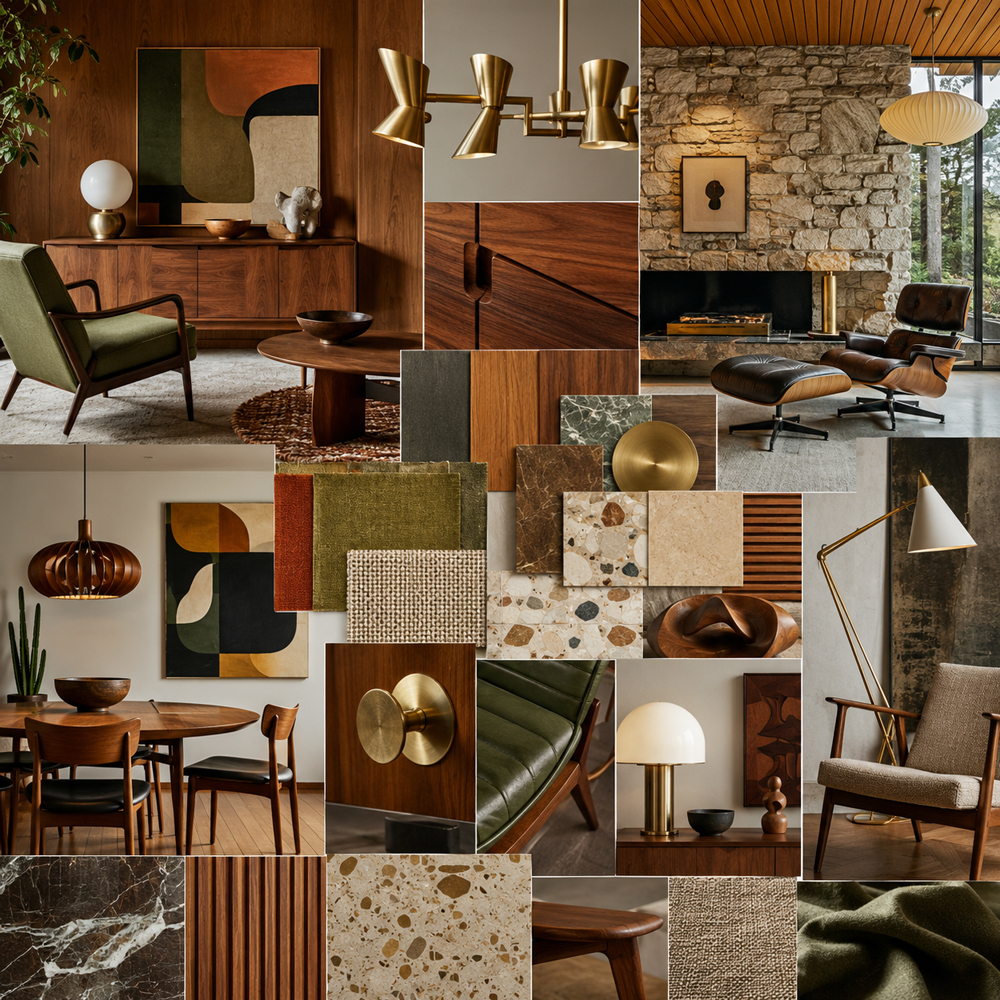
Mid-century modern design is an iconic movement from the 1940s to the 1970s characterized by clean lines, organic curves, and a focus on functionality. It seamlessly integrates indoor and outdoor spaces through large windows and open floor plans while combining natural materials like teak and walnut with industrial elements like metal and glass. This style prioritizes a low-profile aesthetic and minimal ornamentation to create practical, uncluttered, and timelessly sophisticated interiors.
Upload a photo of your room and our AI restyles it in the Mid Century Modern aesthetic — no signup needed.
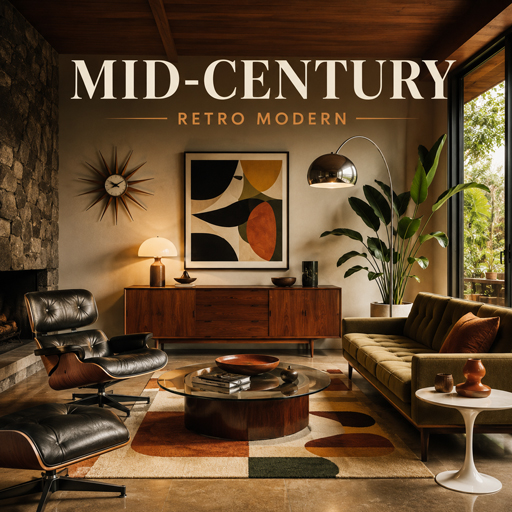
Mid-Century Modern interior design is an iconic movement that emerged between the 1940s and 1970s, defined by a seamless blend of form, function, and a deep connection to nature. Characterized by clean, simple lines and a lack of unnecessary ornamentation, this aesthetic prioritizes "low and lean" profiles and organic, geometric forms. By integrating industrial materials like steel, glass, and molded plastic with the warmth of natural woods such as teak, walnut, and oak, Mid-Century Modern creates sophisticated yet highly livable spaces that feel both retro and timeless. Key elements of this style include open floor plans that maximize natural light and foster a sense of airy flow throughout the home. The color palette often grounds itself in earthy tones and neutrals, punctuated by bold, vibrant accents like mustard yellow, teal, and burnt orange. Iconic furniture pieces—often featuring tapered peg legs and ergonomic curves—serve as functional art, while statement lighting and large, unadorned windows further celebrate the indoor-outdoor lifestyle. Today, the Mid-Century Modern movement remains a premier choice for those seeking a practical, curated environment that emphasizes structural integrity and organic beauty.